
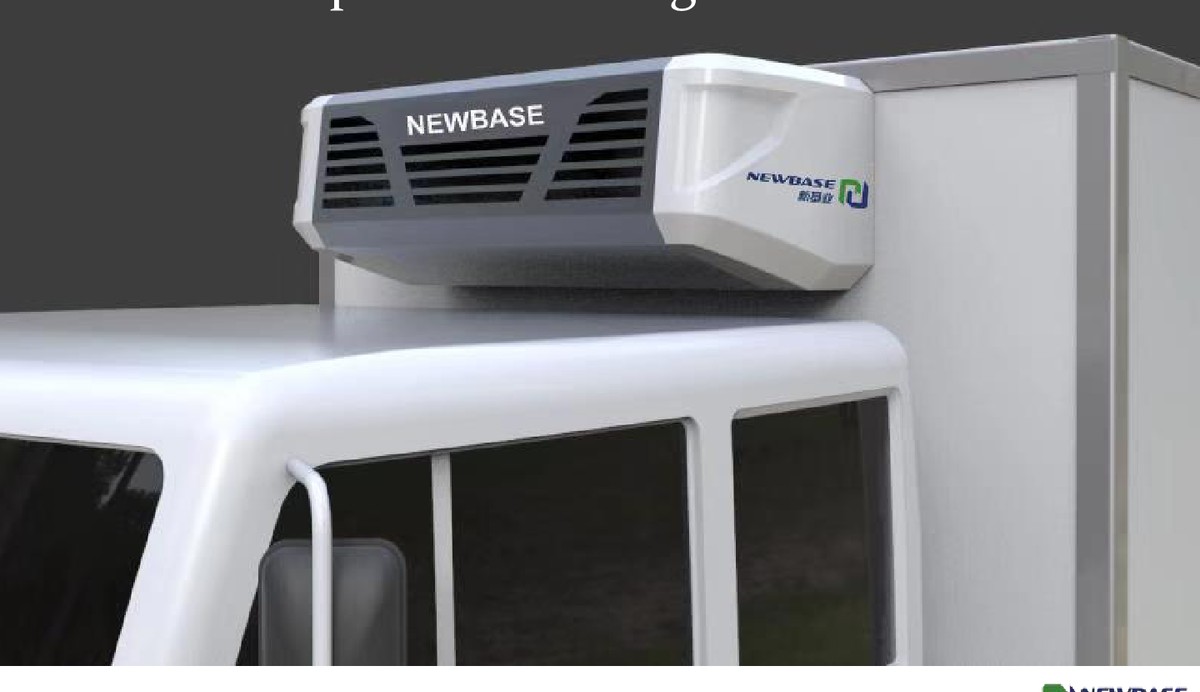
Transport refrigeration units are the critical link between cold storage facilities and final delivery. A failure in the refrigeration chain means product loss, regulatory breach, and eroded customer trust. Fuel-powered transport refrigeration units address the specific demands of long-haul and high-ambient cold chain logistics, where electric-only solutions reach their limits. Snowfairy’s transport refrigeration line is engineered around that operational reality.
The engineering requirement is straightforward: maintain the specified cargo temperature across extended transit, through high ambient conditions, during engine-off stops, and at partial load. This is not a comfort application — it is a cargo integrity specification. Snowfairy transport refrigeration units are designed as closed-loop thermal systems with integrated compressor, condenser, evaporator, and control, matched to cargo volumes from 40 to 58 cubic meters.
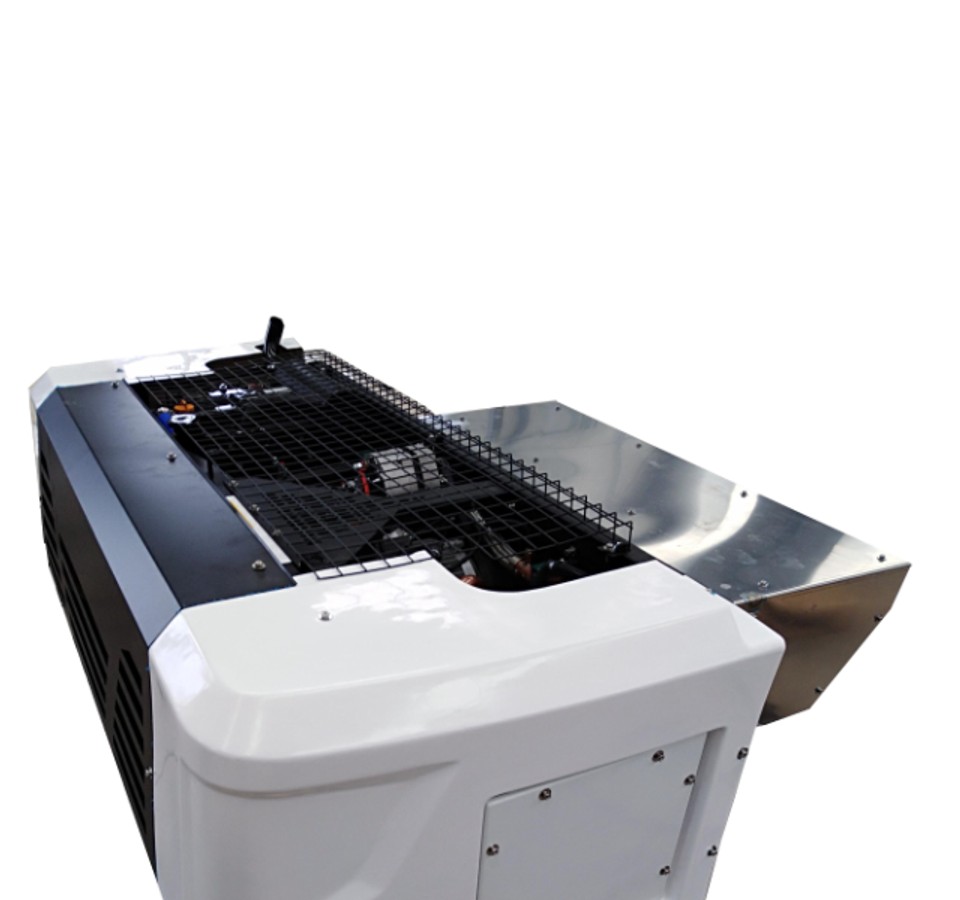
Fuel-powered units solve a specific operational gap. When the refrigerated vehicle stops — at a loading dock, during driver rest, or in traffic — the refrigeration system must continue running. Fuel sub-engine configurations keep the refrigeration circuit active independent of the vehicle’s main engine. This means the cold chain is never interrupted by engine-off periods, and cargo temperature stability does not depend on the vehicle’s driving cycle.
The refrigeration circuit in Snowfairy transport refrigeration units uses R404A refrigerant with rotary compressors matched to the condenser and evaporator configuration for each cargo volume class. Hot gas defrost eliminates the need for electric defrost cycles, maintaining evaporator efficiency in humid conditions without drawing additional power from the vehicle electrical system. Temperature control ranges from -18 degrees Celsius to +25 degrees Celsius, covering frozen, chilled, and ambient-stable cargo profiles within a single unit platform.
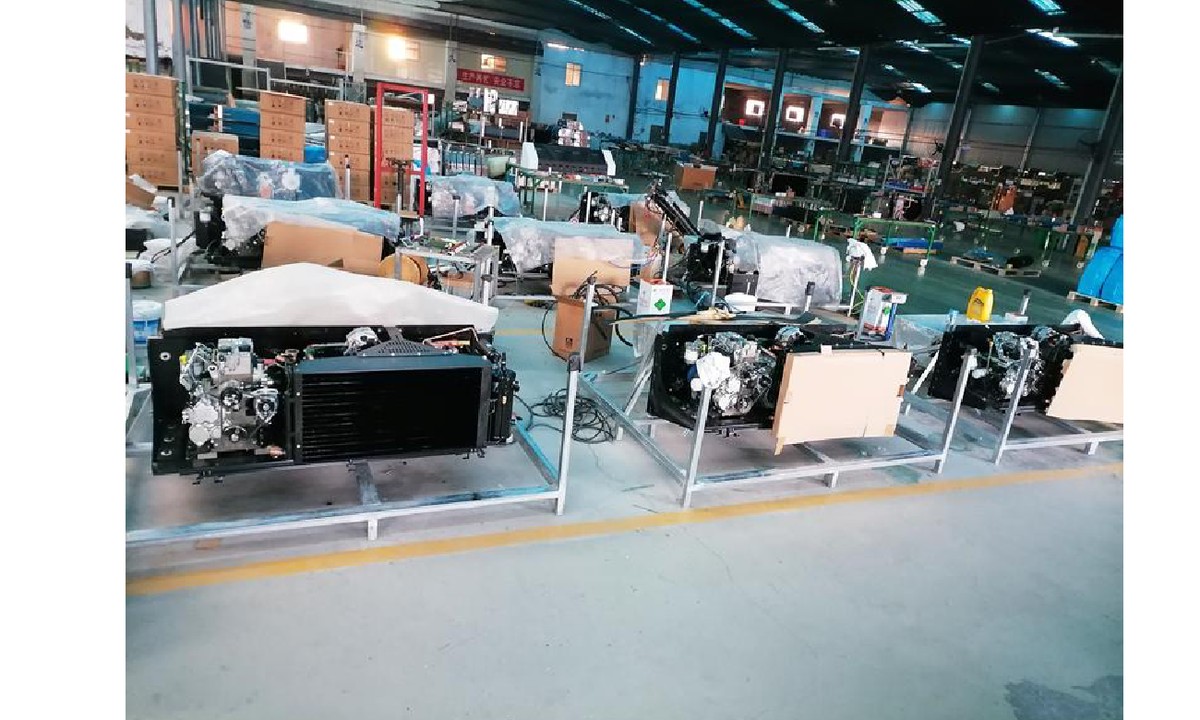
Reliability under continuous operation is a system-level design requirement, not an accessory specification. Snowfairy transport refrigeration units use Perkins engines for the fuel sub-engine configuration — a globally recognized powertrain platform with established service networks across major logistics corridors. The control architecture supports DC12V and DC24V vehicle electrical systems, with an integrated electric standby function for warehouse or depot cold-soak without fuel consumption. This dual-mode capability means the unit runs on fuel during transit and on grid power during loading, without manual changeover.
Cold chain compliance in regulated markets requires documented temperature history. Snowfairy transport refrigeration units are designed for integration with fleet telematics and temperature monitoring systems, providing the data chain needed for regulatory reporting and customer certification. The control interface supports remote monitoring and diagnostic access for fleet operators managing temperature-sensitive cargo across multi-day routes.
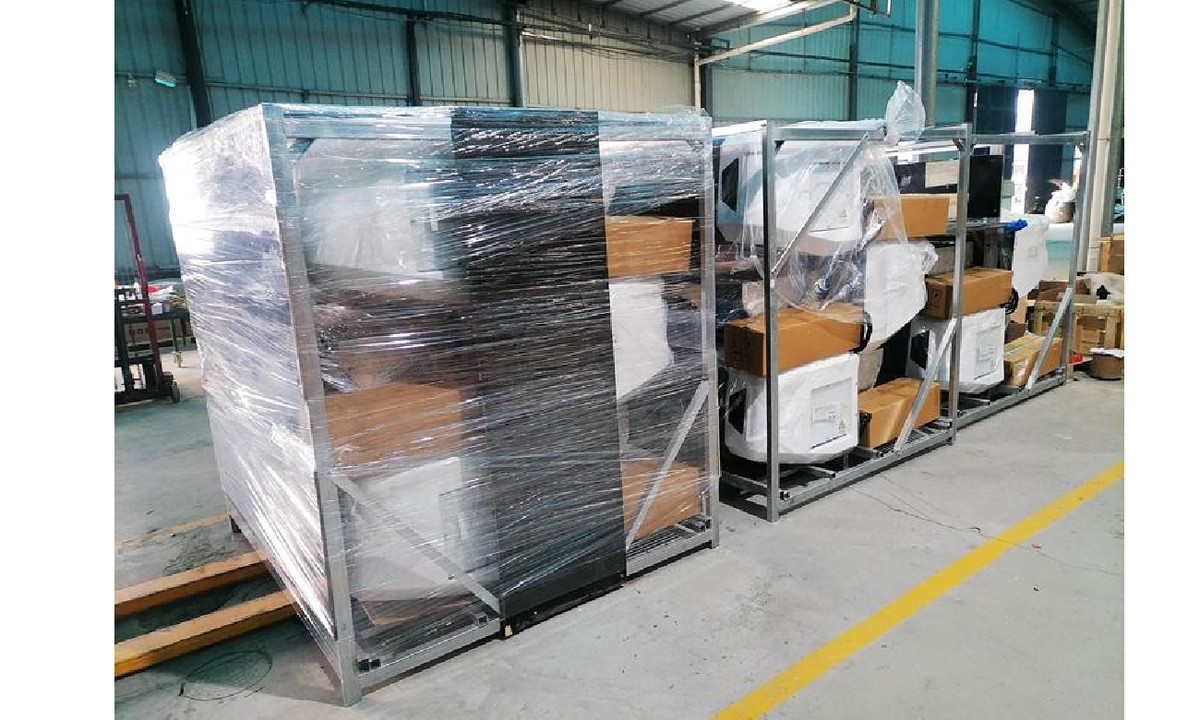
Selection between models depends on cargo volume, required temperature range, ambient operating conditions, and vehicle electrical architecture. Snowfairy provides technical support for system matching, installation guidance for panel cutout and mounting, and fleet integration support. For operators managing refrigerated fleets or evaluating fuel-powered transport refrigeration for their cold chain, the engineering team is available for technical consultation.
Contact us: info@snowfairycn.com | Tel/WhatsApp: +86 158 9005 1653 | www.snowfairycn.com
 English
  Arabic
  Spanish
  Russian
  Portuguese
  Malay
Malay  Indonesian
  Korean